


Built around planning, development and compliance decisions.
Use this page to understand when the service is usually needed, what evidence is reviewed and what information helps us quote accurately.
- Planning and regulator context
- Clear deliverables and next steps
- Linked services considered early
The assessment should distinguish between construction dust, road-traffic emissions and operational sources. Each has different data needs, receptors and mitigation options.
When this service is used
Used where traffic, dust, combustion emissions or sensitive receptors may affect planning acceptability, construction controls or operational compliance.
What the report normally includes
- Planning and receptor context review
- Assessment scope based on development type
- Air quality constraints and mitigation commentary
- Dust or emissions considerations where relevant
- Planning-ready conclusions and recommendations
What we need from you
Providing the right information at the start helps us confirm the scope, quote accurately and avoid back-and-forth once the work is underway.
- Site address and proposed use
- Planning reference if available
- Transport or traffic information if available
- Site layout and access information
- Any local authority comments received
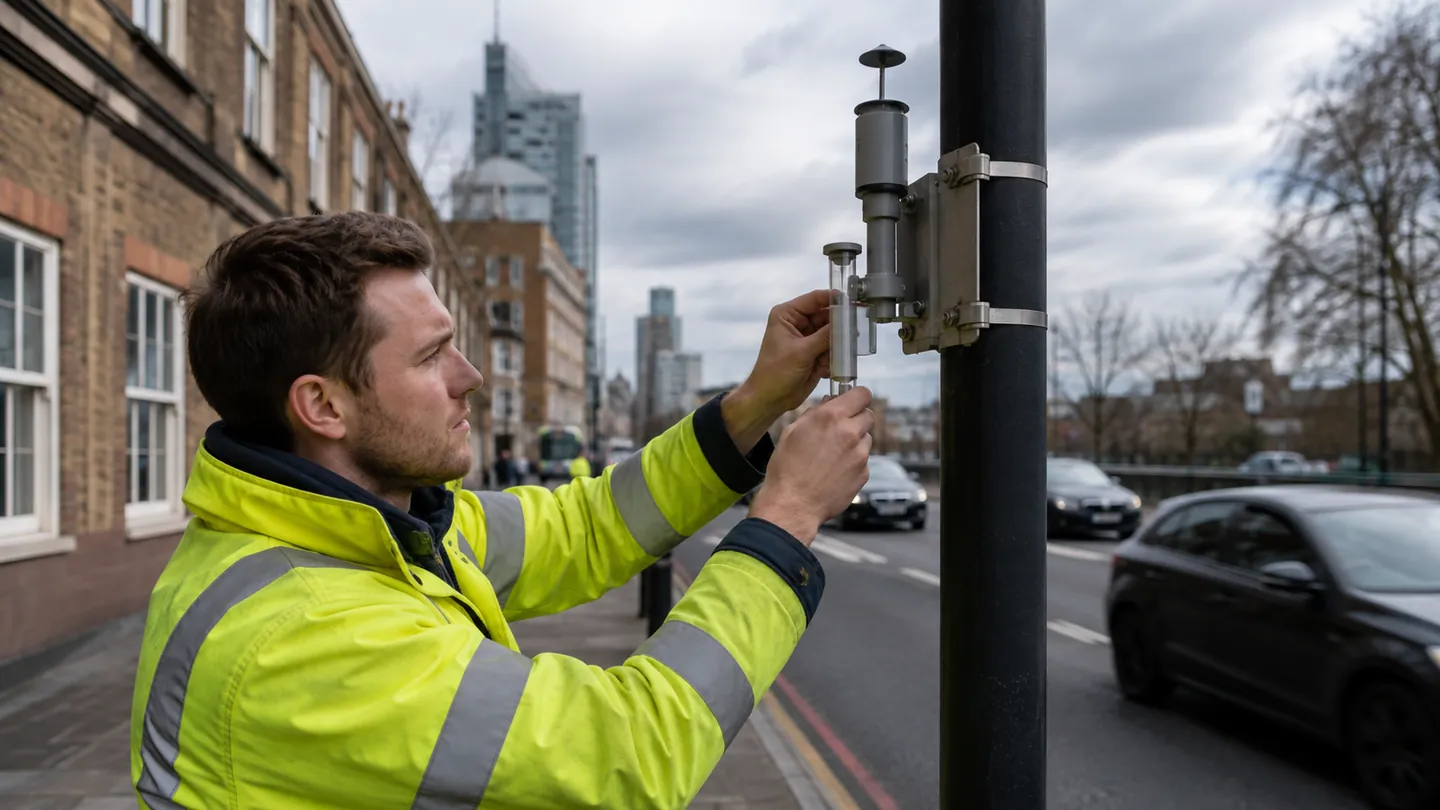
Air-quality scope depends on what could change because of the development
Useful to know before you enquire
Common questions
Does every development need dispersion modelling?
No. The first step is to understand the likely change in emissions and receptor context. Detailed modelling is used where the screening evidence indicates it is warranted.
Can you assess construction dust?
Yes. Construction dust and trackout risks can be assessed separately from operational air quality, with proportionate mitigation measures for the construction phase.
What information helps with a quote?
Site plans, development description, traffic information if available, nearby receptors and any planning or environmental-health comments are particularly useful.
Related environmental planning examples
See how similar environmental constraints have been investigated, assessed and resolved on real projects.
Related services
These services are often reviewed alongside Air Quality depending on the site, planning context and proposed development.
Send the right information first time.
Our custom enquiry builder asks service-specific questions so we can confirm the correct scope, identify linked services and avoid unnecessary delays.
Build one enquiry for this and any related services.
Submit site information, planning references and supporting documents once. We’ll review the scope and confirm what is required.