


Built around planning, development and compliance decisions.
Use this page to understand when the service is usually needed, what evidence is reviewed and what information helps us quote accurately.
- Planning and regulator context
- Clear deliverables and next steps
- Linked services considered early
Waste classification establishes what the waste is and whether it is hazardous. Waste Acceptance Criteria testing is used by certain disposal facilities to decide whether a waste meets their acceptance limits. The two should not be treated as interchangeable.
When this service is used
Used before off-site disposal, remediation, excavation or material management where the waste producer needs a defensible classification under the applicable waste classification framework.
What the report normally includes
- Review of available laboratory data
- Hazardous waste classification assessment
- WAC suitability considerations where relevant
- Clear waste coding and disposal guidance
- Recommendations for further sampling where required
What we need from you
Providing the right information at the start helps us confirm the scope, quote accurately and avoid back-and-forth once the work is underway.
- Material type and estimated volume
- Existing laboratory results
- Site address and source area
- Photographs where available
- Disposal/reuse objective
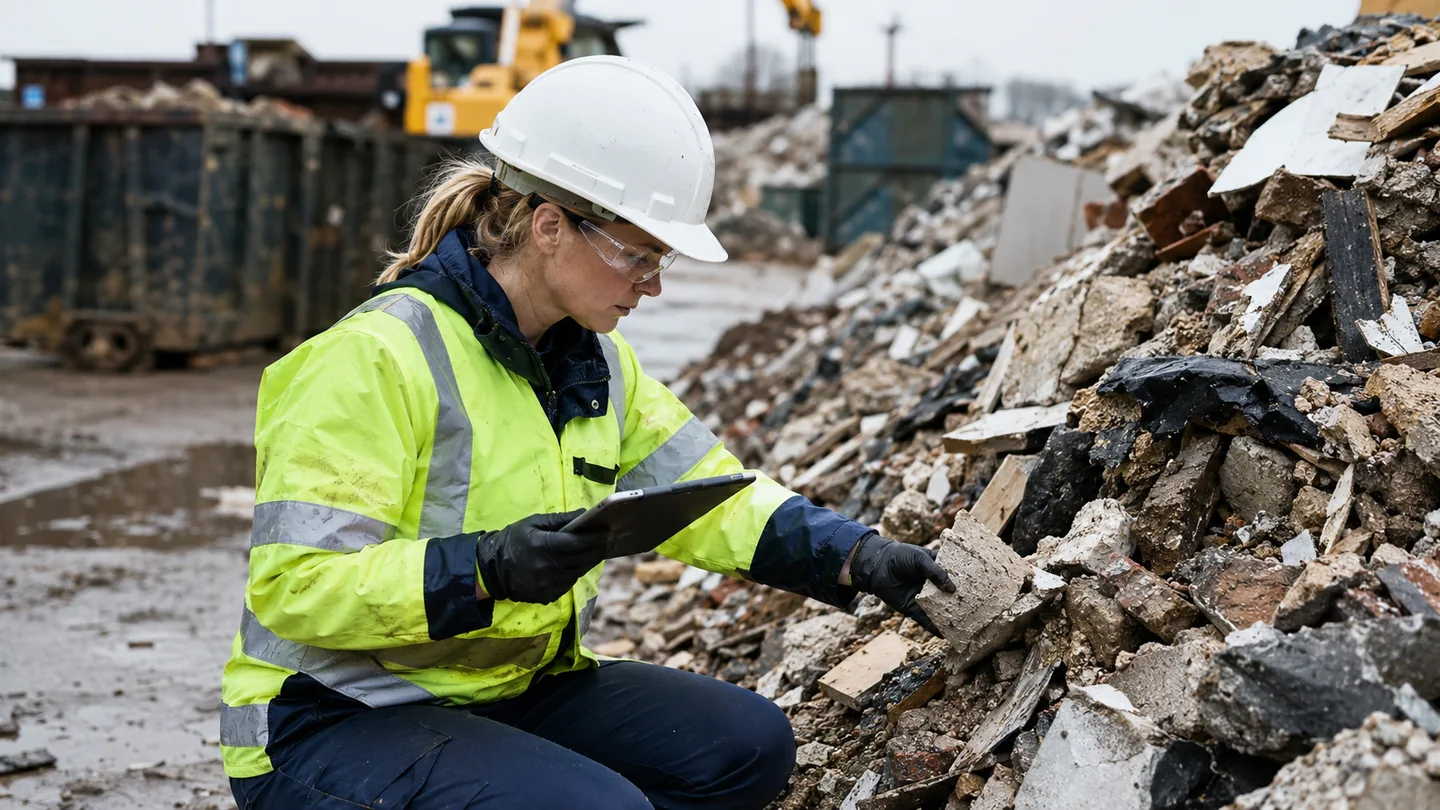
Classification and WAC answer different questions
Useful to know before you enquire
Common questions
Is WAC testing the same as waste classification?
No. Classification determines the waste code and hazardous status. WAC testing is a separate acceptance test used for certain landfill routes.
Can you classify soil from existing laboratory data?
Often, provided the samples are representative and the analytical suite is suitable. We review the available information before confirming whether more sampling or testing is needed.
Does non-hazardous mean the soil can be reused on site?
Not by itself. Waste classification and on-site reuse are separate regulatory questions and the project may need a suitable materials-management or permitting route.
Related services
These services are often reviewed alongside Waste Classification depending on the site, planning context and proposed development.
Send the right information first time.
Our custom enquiry builder asks service-specific questions so we can confirm the correct scope, identify linked services and avoid unnecessary delays.
Build one enquiry for this and any related services.
Submit site information, planning references and supporting documents once. We’ll review the scope and confirm what is required.