


Skip to content
Environmental consultancy service

Anthrax & Lead Paint
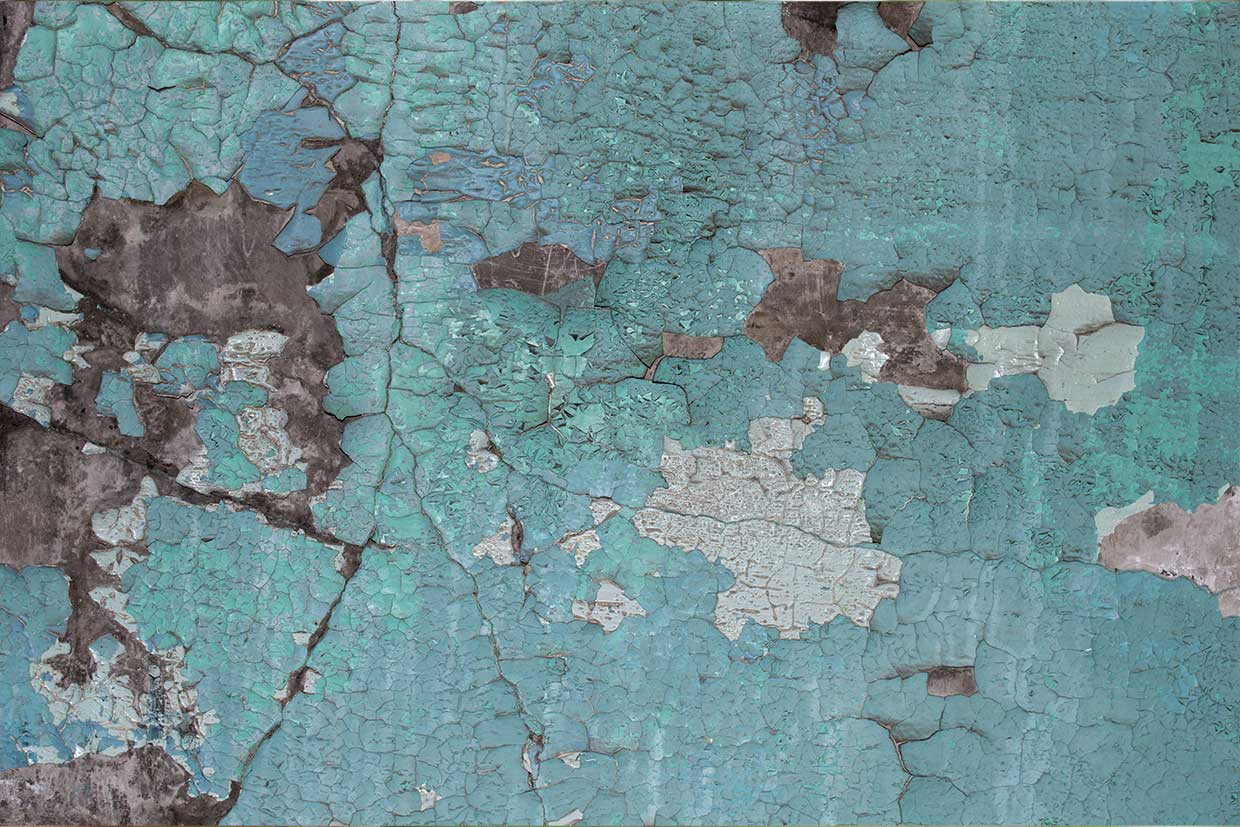
Anthrax and lead paint assessments help identify hazardous materials and manage risk during refurbishment, demolition and redevelopment.

Scope and evidence

Built around planning, development and compliance decisions.

Use this page to understand when the service is usually needed, what evidence is reviewed and what information helps us quote accurately.

  • Planning and regulator context
  • Clear deliverables and next steps
  • Linked services considered early

Older buildings and certain historic materials can present specialist hazards that are easy to miss in a standard refurbishment brief. The assessment should focus on materials likely to be disturbed and the people who could be exposed.

01

When this service is used

Used before refurbishment, demolition, heritage works or intrusive works where lead paint or anthrax-related material risk may affect health, safety or programme.

Planning and project supportUsed before refurbishment, demolition, conservation or intrusive works where historic materials may create lead-paint or other specialist hazardous-material risks.
Risk and programme controlIdentifying suspect materials before contractors disturb them allows the project team to plan controls, sampling and removal rather than reacting after work starts.
02

What the report normally includes

  • Hazardous material risk review
  • Survey or sampling scope advice
  • Lead paint inspection and assessment where required
  • Remediation or management recommendations
  • Compliance-focused reporting for project teams
03

What we need from you

Providing the right information at the start helps us confirm the scope, quote accurately and avoid back-and-forth once the work is underway.

  • Property address and age
  • Scope of works
  • Access arrangements
  • Photographs or previous survey information
  • Programme deadline
04

Hazardous-material assessment should be tied to the planned works

Surveyor inspecting painted building fabric as part of a hazardous materials assessment.
Building survey work supporting the safe identification and management of hazardous materials.
What a robust scope should cover
  • Building age, history and areas affected by the proposed works
  • Identification of coatings or materials requiring specialist assessment
  • Targeted inspection and sampling where required
  • Laboratory analysis appropriate to the suspected hazard
  • Interpretation of condition, disturbance potential and exposure pathway
  • Practical management, removal or work-control recommendations
What the work should leave you with
  • A clear record of the material assessed and the areas covered
  • Evidence to inform RAMS, refurbishment or demolition planning
  • Identification of controls or specialist removal requirements
  • Reduced risk of unexpected hazardous-material discoveries during works
Why the detail mattersThe commercial value is in identifying hazards while the work method can still be changed. Discovering them after stripping or demolition begins can stop the programme and complicate waste handling.
05

Useful to know before you enquire

Scope the exact work areasSurveys are most useful when the assessor knows which rooms, surfaces and structural elements will actually be disturbed.
Historic use can be relevantBuilding age, former use and previous refurbishment can help target the assessment.
Lead paint can be hidden under later coatingsVisual appearance alone may not establish whether earlier lead-containing layers are present.
Sampling may affect finishesWhere intrusive samples are required, access and making-good expectations should be agreed beforehand.
FAQ

Common questions

When is lead-paint testing useful?

It is particularly useful before refurbishment or demolition of older buildings where painted surfaces will be cut, sanded, stripped or otherwise disturbed.

Can the assessment be limited to part of a building?

Yes, where the project scope is clearly defined. The report should state the inspected areas and any limitations.

Does identifying a hazard mean work must stop permanently?

No. The purpose is to identify the hazard so appropriate controls, removal or alternative work methods can be planned.

Next

Related services

These services are often reviewed alongside Anthrax & Lead Paint depending on the site, planning context and proposed development.

Structured enquiry

Send the right information first time.

Our custom enquiry builder asks service-specific questions so we can confirm the correct scope, identify linked services and avoid unnecessary delays.

Add to enquiryView all services
Ready to send details?

Build one enquiry for this and any related services.

Submit site information, planning references and supporting documents once. We’ll review the scope and confirm what is required.

Add this service to enquiry