


Built around planning, development and compliance decisions.
Use this page to understand when the service is usually needed, what evidence is reviewed and what information helps us quote accurately.
- Planning and regulator context
- Clear deliverables and next steps
- Linked services considered early
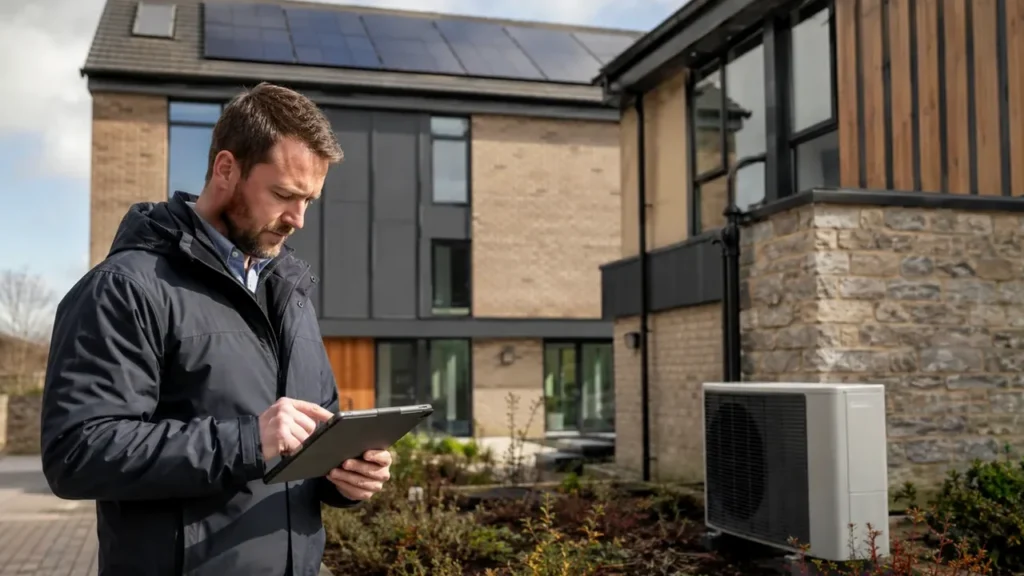
Some conditions titled “Air Quality Improvements” actually require energy and carbon-reduction evidence. The scope should address the exact carbon, low-carbon energy or Part L wording rather than assume an ambient pollution assessment is needed.
When this service is used
Used where the planning permission requires a report showing how low-carbon or renewable technologies will reduce CO₂ emissions or provide a specified share of development energy. This differs from an ambient air quality or construction dust assessment.
What the report normally includes
- Review of the planning condition and applicable energy targets
- Baseline building and energy design information review
- Assessment of proposed low-carbon and renewable technologies
- Evidence for the specified contribution from low-carbon energy
- Relationship to Building Regulations Part L and relevant calculations
- Implementation, verification and ongoing operation commitments
What we need from you
Providing the right information at the start helps us confirm the scope, quote accurately and avoid back-and-forth once the work is underway.
- Exact energy or air quality improvement condition wording
- Development plans, floor areas and use types
- Available SAP, SBEM or other energy calculations
- Proposed heating, ventilation and renewable energy specifications
- Estimated demand and low-carbon energy contribution
- Project programme and design-team contact
Explaining the low-carbon energy strategy behind the condition
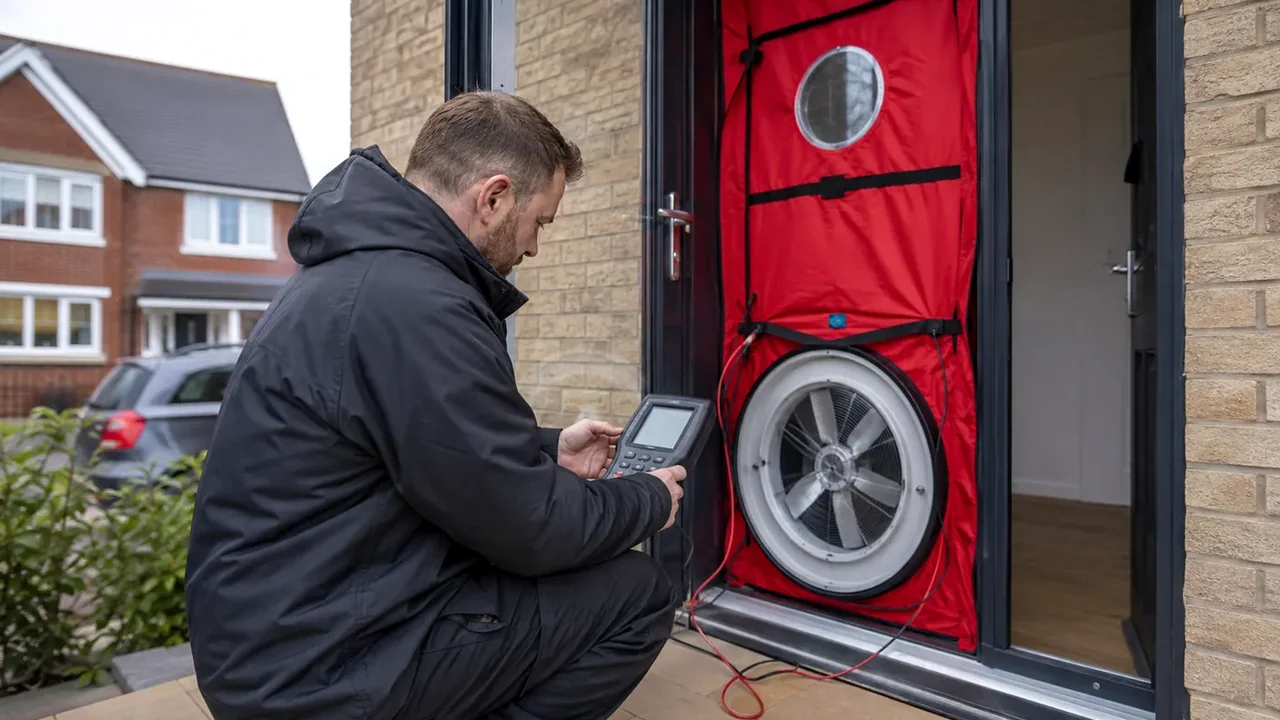
Useful to know before you enquire
Common questions
Does this replace an Air Quality Assessment?
No. A low-carbon energy/CO₂ report and an assessment of local air pollutant concentrations have different purposes.
Is 15% low-carbon energy always required?
No. A condition may set a different contribution or methodology, depending on the permission and local policy.
Can SAP or SBEM information be used?
Where appropriate, existing approved energy calculations can form part of the supporting evidence.
Related services
These services are often reviewed alongside Air Quality Improvements depending on the site, planning context and proposed development.
Send the right information first time.
Our custom enquiry builder asks service-specific questions so we can confirm the correct scope, identify linked services and avoid unnecessary delays.
Build one enquiry for this and any related services.
Submit site information, planning references and supporting documents once. We’ll review the scope and confirm what is required.