


Technical evidence for land, asbestos and Japanese knotweed remediation.
Review historic contamination, remediation strategies, asbestos findings and Japanese knotweed treatment evidence with environmental specialists before your appointed tax adviser assesses a claim.
- Brownfield and historic contamination
- Japanese knotweed surveys and treatment records
- Asbestos investigation and removal evidence
- Remediation, ground gas and verification records
- Coordination with your tax adviser
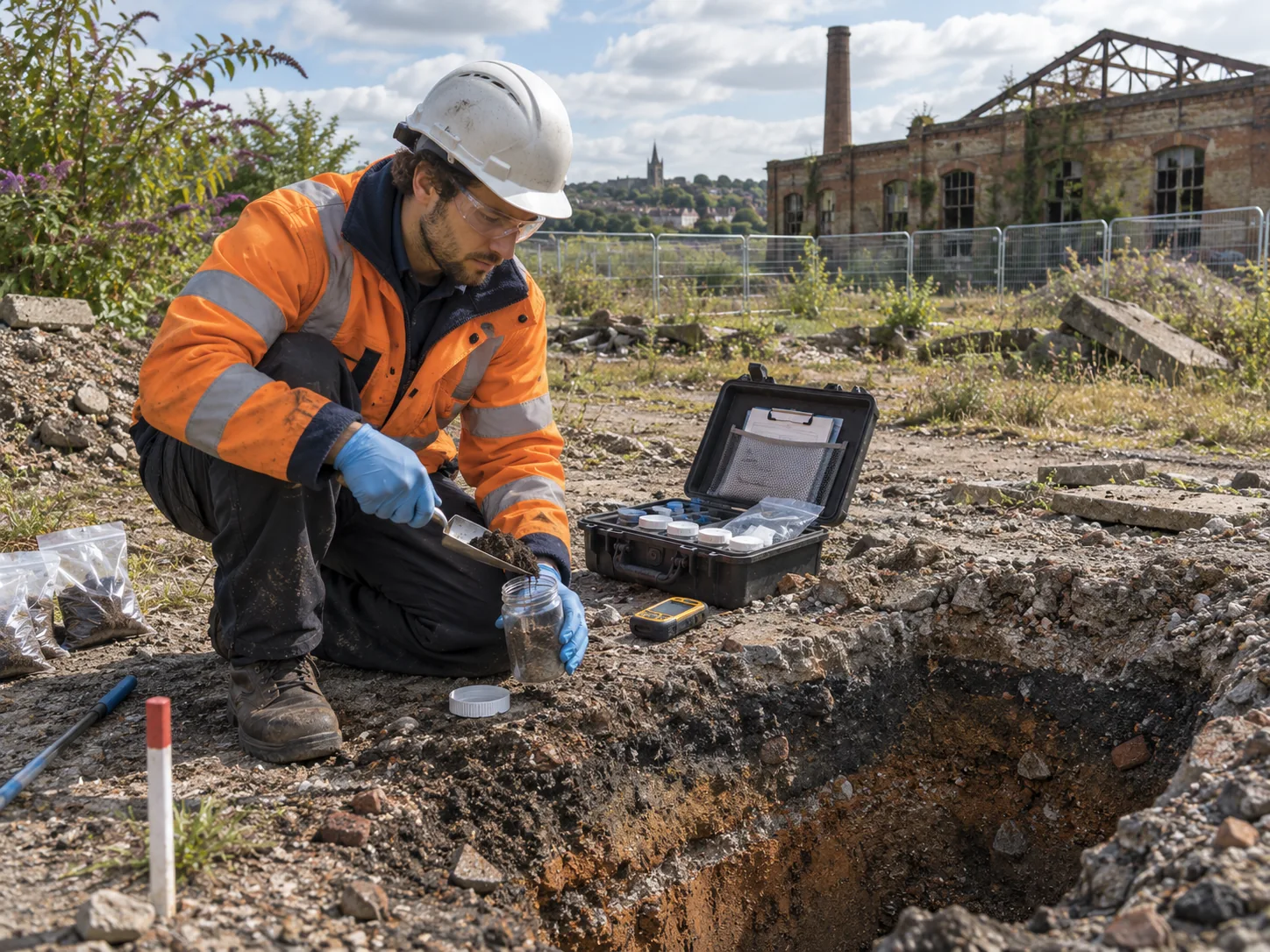
Land Remediation Relief claims depend on more than invoices. A technical evidence pack should describe site history, relevant contamination, Japanese knotweed or asbestos findings, remediation methods and verification records. The treatment method matters: not every invasive plant, remediation route or construction cost qualifies. EnviroSolution documents the environmental facts alongside your tax adviser’s eligibility and expenditure review.
When this service is used
Useful for developers reviewing remediation of contaminated or derelict sites, asbestos, Japanese knotweed, eligible ground-gas protection or certain other hazards. The company’s accountant or specialist tax adviser must determine relief eligibility, qualifying expenditure, claim timing, ownership and polluter-pays restrictions.
What the report normally includes
- Review of existing Phase 1 Desktop Studies and historic land-use evidence
- Review of Phase 2 investigations, contamination results and Conceptual Site Models
- Technical appraisal of proposed or completed remediation activities
- Japanese knotweed survey, treatment method and monitoring evidence, including in-situ or off-site treatment documentation
- Asbestos survey findings, specialist removal specifications, containment and clearance evidence
- Evidence review for relevant industrial contaminants, ground gas, radon or arsenic where site-specific
- Review of remediation strategies, method statements and contractor records
- Collation of environmental evidence relevant to potentially qualifying remediation works
What we need from you
Providing the right information at the start helps us confirm the scope, quote accurately and avoid back-and-forth once the work is underway.
- Site location, red-line boundary and current/proposed use
- Land acquisition date and previous ownership information, if available
- Phase 1, Phase 2 and other contaminated-land reports
- Japanese knotweed plans, specialist survey reports, treatment records and long-term management evidence where relevant
- Asbestos survey reports, removal plans, consignment notes and clearance certification where relevant
- Remediation design, method statements, validation reports and site photographs
- Contractor invoices, work descriptions and cost breakdowns where available
- Details of any grants or relevant third-party funding, if known
Contamination, Japanese knotweed, asbestos and remediation evidence

Useful to know before you enquire
Common questions
What is Land Remediation Relief?
It is a UK Corporation Tax relief that may provide an additional 50% deduction for qualifying remediation expenditure, meaning up to 150% total deduction where the conditions are met. This is not a refund of 150% of the project cost. Tax advice is required.
Does EnviroSolution prepare the Corporation Tax claim?
No. We provide environmental, remediation and technical supporting evidence. Your appointed accountant or specialist tax adviser determines eligibility, calculates the claim and submits it to HMRC.
Can land investigation and professional costs qualify?
Some costs associated with relevant remediation, including certain professional fees, may qualify, but not all investigations or general development costs do. Your tax adviser must decide whether specific expenditure meets HMRC requirements.
Can a company claim if it caused the contamination?
Relief is restricted under the polluter-pays rules, including certain connected-party circumstances. A tax adviser should assess ownership and responsibility against current legislation.
Related services
These services are often reviewed alongside Land Remediation Relief Advice depending on the site, planning context and proposed development.
Have a site or remediation project to review?
Send us your site details, available reports and an outline of the work. We can confirm the environmental consultancy scope and liaise with your tax adviser where required.